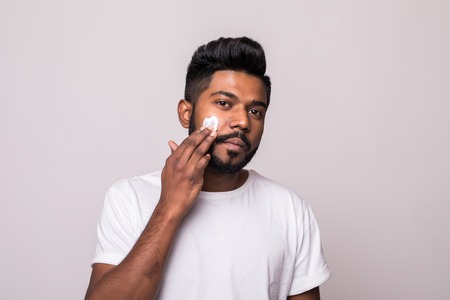

Understanding Indian Skin Types and Common Concerns
The Indian subcontinent is known for its diverse climate, ranging from scorching summers and monsoon humidity to intense UV exposure. For Indian men working outdoors, this environment presents unique challenges for skin health. Indian skin generally has higher levels of melanin, which offers some natural protection against sun damage but also comes with its own set of concerns. Melanin helps prevent severe sunburns, but it makes the skin more prone to pigmentation issues such as tanning, dark spots, and uneven skin tone when exposed to harsh sunlight. Additionally, common problems faced by Indian men include excessive oiliness, acne due to sweat and pollution, dehydration in arid regions, and irritation from dust and dirt. Recognising these factors is the first step towards effective skin protection. Understanding your skin type—whether it’s oily, combination, dry, or sensitive—and knowing how the local climate affects it can help you choose the right skincare products and routines that cater specifically to the needs of Indian men working outdoors.
The Impact of Indian Sun and Pollution on Skin
When it comes to outdoor work in India, men face a unique set of skin challenges due to the country’s harsh climate and environmental conditions. The combination of intense sunlight and urban pollution—especially in bustling cities like Mumbai and Delhi—can take a serious toll on your skin health. Below, we explore how these factors specifically affect Indian men who spend long hours outside.
Harsh Weather & Intense Sun Exposure
India’s tropical and subtropical climates mean that UV radiation levels remain high throughout most of the year. Prolonged exposure to the sun can lead to tanning, sunburn, premature ageing, and even an increased risk of skin cancer. Men working outdoors often report persistent dryness, dark spots, and uneven skin tone due to constant sun exposure. The intensity of sunlight is particularly severe during the summer months, making it essential for those who work outside to take extra precautions.
Urban Pollution in Indian Cities
Mumbai and Delhi rank among the world’s most polluted cities, with air filled with dust, smoke, and harmful chemicals. Pollutants such as PM2.5 and PM10 particles not only settle on the skin but also penetrate deep into pores, leading to irritation, acne breakouts, and dullness. For Indian men whose work keeps them on construction sites or city roadsides, these pollutants can combine with sweat and oil, aggravating common skin problems.
Combined Effects: Sun + Pollution
The double impact of UV rays and urban pollution accelerates oxidative stress on the skin, breaking down collagen and weakening natural barriers. This leads to:
| Skin Issue | Sun Exposure | Pollution | Combined Effect |
|---|---|---|---|
| Tanning & Hyperpigmentation | High risk due to UV rays | Darker spots from chemical deposits | Persistent uneven skin tone |
| Dryness & Dehydration | Removes moisture from skin | Blocks pores; reduces hydration | Rough, flaky texture |
| Pimples & Acne | Sweat clogs pores under sun | Dust and smoke worsen breakouts | Frequent acne flare-ups |
| Aging Signs (Wrinkles) | Breaks down collagen faster | Accelerates cell damage | Early fine lines & wrinkles |
Cultural Note: Everyday Realities for Indian Men
Whether you’re a delivery executive zipping through Delhi traffic or a site supervisor at a Mumbai construction project, the struggle against sun and pollution is real. These everyday exposures highlight why it’s crucial for Indian men to adopt effective skin protection habits tailored to local conditions.

3. Daily Skincare Routine before Stepping Outdoors
For Indian men who spend a lot of time outdoors, starting your day with a simple yet effective skincare routine can make a real difference in skin health and protection. The Indian climate, especially in cities like Mumbai, Delhi, or Chennai, can be humid and dusty, so cleansing your face every morning is crucial. Opt for a gentle face wash that suits your skin type—look for products containing neem or turmeric, which are both affordable and widely available at local stores. These ingredients help fight pollution-induced acne and keep your skin fresh.
After cleansing, pat your face dry with a clean towel. The next step is moisturising. Choose a lightweight, non-greasy moisturiser that absorbs quickly—brands like Himalaya, Nivea Men, or Garnier Men offer budget-friendly options found at any Indian pharmacy or supermarket. If you have oily skin, go for gel-based moisturisers; for dry skin, look for creams enriched with aloe vera or coconut oil.
Don’t skip sunscreen even on cloudy days! Many Indian men ignore this step, but using a sunscreen with SPF 30 or higher helps prevent sunburns and reduces the risk of dark spots. Popular options include Lotus Herbals Safe Sun or Biotique Bio Sandalwood sunscreen—both are affordable and effective for daily use under the harsh Indian sun.
By spending just five minutes each morning on these three steps—cleansing, moisturising, and applying sunscreen—you create a barrier against dust, heat, and UV rays. Make it a habit before stepping outdoors, whether you’re heading to work on-site, commuting by bike, or running errands in the city. This daily routine will not only protect your skin but also boost your confidence as you take on the day.
4. Choosing the Right Sunscreen for Indian Men
For Indian men who spend long hours outdoors, picking the right sunscreen is crucial to protect against sun damage, tanning, and premature ageing. Indian skin tones are unique — typically ranging from wheatish to deep brown — and require sunscreens that provide effective protection without leaving a white cast or feeling greasy, especially in India’s humid climate.
How to Select Sunscreen for Indian Skin Tones
When it comes to choosing sunscreen, one size does not fit all. Here’s how Indian men can find the perfect match:
| Skin Tone | Sunscreen Type | Finish |
|---|---|---|
| Wheatish to Light Brown | Gel-based SPF 30-50 | Matte, Non-sticky |
| Medium Brown | Cream or Gel SPF 40-50 | Lightweight, No white cast |
| Deep Brown/Dusky | Lotion or Fluid SPF 50+ | Dewy, Invisible finish |
SPF Recommendations for Indian Weather
SPF 30+: Suitable for daily use if you’re out for less than two hours.
SPF 50+: Ideal for prolonged outdoor activities and intense sunlight exposure.
PA+++ or more: Always check for broad-spectrum protection (UVA & UVB) which is essential under the harsh Indian sun.
Non-Greasy Formulas for Humid Conditions
The hot and humid climate in most parts of India can make heavy creams uncomfortable. Choose lightweight, water-based, or gel sunscreens that absorb quickly and do not clog pores. Look out for terms like “oil-free”, “matte finish”, and “sweat-resistant” on product labels — these are best suited for men who sweat more during outdoor work.
Cultural Tip: Sunscreen Isn’t Just for Women!
Don’t let stereotypes hold you back — using sunscreen is just as important for men in India. Regular application helps prevent dark spots, hyperpigmentation, and even reduces the risk of skin cancer. Invest in a good sunscreen and reapply every 2-3 hours when working outside.
5. Protective Habits and Clothing Tips for Outdoor Work
When it comes to skin protection for Indian men working outdoors, clothing plays a vital role. The intense Indian sun, combined with dust and pollution, demands extra care in how you dress. One of the most effective ways to shield your skin is by choosing protective garments that are both practical and culturally rooted.
The Power of Long Sleeves
Wearing long-sleeved shirts made from breathable cotton is a simple yet powerful habit. Cotton not only keeps you cool by absorbing sweat but also acts as a physical barrier against UV rays and airborne pollutants. Opt for light colours like white, beige, or pastel shades to reflect sunlight and minimize heat absorption.
Gamcha: A Traditional Essential
No discussion about outdoor protection in India is complete without mentioning the gamcha. This traditional cotton towel is a staple for many working men across the country. Draping a gamcha around your neck or over your head protects sensitive areas such as the face, ears, and neck from harsh sunlight. It can also be dampened for extra cooling effect during extreme heat.
Incorporating Traditional Wear for Modern Protection
Don’t underestimate the value of kurta pajamas or loose-fitting dhotis—they offer full-body coverage while allowing airflow, which helps in staying cool under the sun. These traditional outfits are not just cultural symbols; they are time-tested solutions adapted to Indian weather conditions.
Practical Tips for Daily Use
Always keep an extra set of protective clothing handy in your bag or vehicle. Wash your clothes regularly to remove dust and sweat residue that could irritate your skin. If possible, choose fabrics with UPF (Ultraviolet Protection Factor) ratings for added security.
Combining Style with Safety
Today’s market offers stylish hats and caps inspired by regional designs—topis in North India, turbans in Rajasthan, or even broad-brimmed hats for maximum shade. Pairing these accessories with sunglasses completes your protective look while respecting local fashion sensibilities.
By making protective clothing a daily habit, Indian men can confidently tackle outdoor work without compromising their skin health. Embracing both modern innovations and traditional wisdom ensures long-term protection against the elements.
6. Post-Work Skin Care to Soothe and Repair
After a long day under the harsh Indian sun, your skin deserves some tender care. Developing an effective post-work skincare routine is essential for Indian men who are exposed to outdoor conditions daily. Leveraging time-tested Indian ingredients not only soothes sun-exposed skin but also aids in repair and rejuvenation.
Cleanse with Gentle Herbal Solutions
Start by cleansing your face with a mild herbal cleanser. Opt for products containing neem or tulsi, known for their antibacterial properties, which help remove sweat, dirt, and pollutants accumulated throughout the day without stripping away natural oils.
Aloe Vera: The Calming Elixir
Aloe vera gel, easily available across India, is a go-to remedy after sun exposure. Its cooling effect instantly relieves irritation, reduces redness, and speeds up the skin’s healing process. Apply a generous layer of fresh aloe vera gel directly onto your face and any sun-affected areas. Leave it on for 10-15 minutes before rinsing off with cool water.
Sandalwood for Soothing Relief
Sandalwood (chandan) paste has been cherished in Indian households for generations due to its anti-inflammatory and cooling properties. Mix sandalwood powder with rose water or milk to create a smooth paste, then apply it evenly over your face. This helps calm sunburned skin while imparting a gentle fragrance that promotes relaxation after a tiring day.
Neem: Nature’s Antiseptic
Neem leaves or neem oil can be incorporated into your evening routine to combat any potential infections or breakouts caused by sweat and dust. Make a simple neem mask by grinding fresh neem leaves with water; leave it on problem areas for 10 minutes before washing off. Neem not only purifies the skin but also accelerates recovery from minor cuts or rashes.
Moisturize and Replenish Overnight
Finish your routine with a lightweight moisturizer containing natural ingredients like coconut oil or almond oil. These oils deeply nourish the skin overnight, restoring moisture lost during the day’s exposure to heat and pollution.
Bonus Tip: Stay Hydrated
Remember, true skin healing begins from within. Drink plenty of water or nimbu pani to keep your body hydrated, aiding faster skin recovery and maintaining that healthy glow unique to Indian men braving the outdoors daily.
7. Seeking Local Dermats: When to Consult a Professional
While following a good skin protection routine can make a huge difference, sometimes outdoor Indian men may encounter persistent skin problems that home remedies just can’t fix. Issues like stubborn tanning, recurring rashes, excessive dryness, or unusual moles should not be ignored. Knowing when to seek professional help is essential for maintaining long-term skin health in Indias diverse climate.
When Should You See a Dermatologist?
If you notice any of the following, its time to consult an expert:
- Rashes or itching that last more than a week
- Painful or bleeding sunburns
- Persistent dark spots or pigmentation changes
- Unusual growths, moles, or lumps on your skin
- Recurring infections or acne that don’t improve with OTC products
How to Find Trustworthy Dermatologists in Indian Cities
India’s urban centers have seen a surge in reputed dermatology clinics and hospitals. Here are some ways to find reliable professionals:
1. Word of Mouth Recommendations
Ask friends, colleagues, or family members who have visited dermatologists in your city—personal experiences often lead you to trustworthy doctors.
2. Online Reviews & Ratings
Platforms like Practo, Lybrate, and Google Maps let you check ratings and read reviews about doctors in cities such as Mumbai, Delhi, Bangalore, and Chennai.
3. Credentials & Associations
Look for dermatologists registered with the Indian Association of Dermatologists, Venereologists and Leprologists (IADVL) for assured qualifications.
4. Location & Accessibility
Choose clinics within easy reach from your workplace or home to make follow-ups convenient—most major Indian cities have reputed skin clinics in central areas.
Your Skin Health Matters
No matter how busy life gets outdoors, don’t ignore signs that your skin needs more than just daily care. Consulting a qualified dermatologist early can prevent minor issues from becoming major health concerns. Remember: healthy skin is not just about looking good—it’s about feeling confident and protected in every season under the Indian sun.