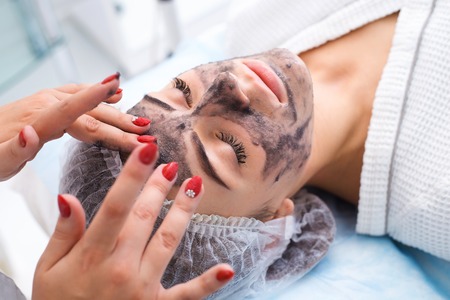

Understanding Dark Spots and Pigmentation in Indian Skin
When it comes to skincare concerns among Indians, hyperpigmentation and dark spots are common issues that many people face. Indian skin, known for its rich melanin content, is particularly prone to uneven pigmentation. Several factors contribute to this challenge, making it important to understand the root causes before choosing the right herbal solutions.
Sun Exposure: The Indian climate is predominantly tropical, with intense sunlight throughout the year. Prolonged sun exposure leads to increased melanin production as a natural defense mechanism, often resulting in stubborn sun spots and patchy pigmentation.
Hormonal Changes: Many Indians experience pigmentation changes due to hormonal fluctuations, especially during pregnancy (commonly called “pregnancy mask” or melasma), menopause, or even as side effects of certain medications.
Pollution: Urban environments in India are exposed to high levels of pollution. Dust, smoke, and environmental toxins can damage the skin barrier, causing inflammation and triggering excess melanin production that leads to dark spots.
Other contributing factors include acne scars, genetic predisposition, and improper use of chemical-based skincare products. Understanding these triggers is the first step towards managing pigmentation naturally—especially by embracing traditional herbal face packs trusted across generations in India.
The Ayurvedic Approach to Skin Brightening
India’s centuries-old tradition of Ayurveda offers a holistic and natural pathway for treating dark spots and pigmentation. Unlike harsh chemical treatments, the Ayurvedic system emphasizes balance—of body, mind, and spirit—by addressing the root causes of skin discoloration such as imbalanced doshas, poor digestion, or environmental stressors. Ayurveda draws from the abundance of Indian botanicals, harnessing their healing properties to restore natural radiance and even skin tone.
Ancient Herbal Wisdom for Modern Skin Concerns
Ayurveda prescribes a variety of time-tested herbs and ingredients that work synergistically to treat hyperpigmentation and promote healthy, glowing skin. These remedies are not just topical; they also support internal wellness, aligning with the belief that true beauty comes from within.
Key Ayurvedic Ingredients for Pigmentation
| Ingredient | Traditional Name | Main Benefits | Typical Usage |
|---|---|---|---|
| Sandalwood | Chandan | Cools skin, reduces blemishes, lightens dark spots | Face packs, pastes |
| Turmeric | Haldi | Anti-inflammatory, brightens complexion, fades marks | Masks, ubtan blends |
| Licorice Root | Mulethi | Evens skin tone, diminishes hyperpigmentation | Powdered face packs |
| Amla (Indian Gooseberry) | Amla | Rich in vitamin C, boosts collagen, promotes glow | Pastes, combined with honey/yogurt |
| Neem Leaves | Neem | Purifies skin, treats acne-related pigmentation | Crushed leaf masks or powders |
| Saffron | Kesar/Zafran | Improves complexion, reduces dark spots gently | Infused in milk or water for face application |
The Holistic Ritual: Beyond Topical Application
An authentic Ayurvedic skincare routine is more than applying herbal packs—it includes dietary adjustments (such as consuming detoxifying foods like Triphala and turmeric), regular abhyanga (oil massage), yoga for improved circulation, and pranayama (breathing exercises) to reduce stress-induced pigmentation. This integrative approach ensures long-term results by nurturing your entire being according to Indian tradition.
3. Key Herbal Ingredients Trusted in India
India’s rich tradition of Ayurveda has introduced the world to some of the most effective natural remedies for skin concerns like dark spots and pigmentation. These time-tested herbs are not only gentle on the skin but also come with centuries of trust from Indian households. Let’s explore a few powerful botanicals that are commonly found in herbal face packs across India.
Haldi (Turmeric): The Golden Healer
Haldi, or turmeric, is revered in every Indian kitchen and beauty ritual for its remarkable healing properties. The active compound curcumin helps reduce melanin production, thereby lightening dark spots and giving your skin a natural glow. Turmeric also soothes inflammation and fights bacteria, making it ideal for acne-prone skin with post-inflammatory pigmentation.
Chandan (Sandalwood): The Cooling Brightener
Chandan, known for its cooling effect, is another age-old remedy for uneven skin tone. Its fine powder gently exfoliates dead cells while calming irritated skin. Sandalwood paste is often applied during festive occasions as it leaves the complexion luminous and helps fade stubborn marks with regular use.
Mulethi (Licorice): The Natural Skin Lightener
Mulethi, or licorice root, contains glabridin—a compound that inhibits pigmentation by blocking tyrosinase, an enzyme responsible for melanin production. In Indian home remedies, mulethi powder is mixed with milk or rose water to create face packs that target sun spots and blemishes safely without harsh chemicals.
Neem: The Purifying Protector
Neem leaves are a staple in Indian skincare due to their purifying and antibacterial qualities. Regular use of neem-based face packs can help prevent breakouts, which often lead to dark spots. Neem also supports the skin’s natural healing process, gradually reducing existing pigmentation and enhancing overall clarity.
Why These Ingredients Work Together
Combining these herbal ingredients in traditional face packs creates a synergy that addresses multiple causes of pigmentation—ranging from sun exposure to acne scars. By embracing these trusted botanicals, you can treat dark spots naturally and achieve radiant, even-toned skin the Indian way.
4. DIY Herbal Face Pack Recipes
Creating your own herbal face packs at home is not only budget-friendly but also ensures you are using pure and natural ingredients best suited for Indian skin types. Most of these ingredients are easily found in Indian kitchens and local markets, making them convenient and effective for treating dark spots and pigmentation.
Popular Kitchen Staples for Face Packs
| Ingredient | Key Benefits | Best For |
|---|---|---|
| Turmeric (Haldi) | Reduces pigmentation, brightens skin, anti-inflammatory | Dark spots, dullness |
| Besan (Gram Flour) | Exfoliates dead skin, lightens marks | Uneven skin tone, tanned skin |
| Lemon Juice | Naturally bleaches, rich in Vitamin C | Dark patches, age spots |
| Aloe Vera Gel | Soothes and heals skin, reduces blemishes | Sensitive or irritated skin |
| Sandalwood Powder (Chandan) | Cools the skin, fades scars and spots | Pigmentation, sun damage |
| Neem Powder/Leaves | Cleanses pores, reduces marks and acne scars | Oily and acne-prone skin |
| Raw Milk | Mild exfoliant, hydrates and lightens complexion | Dry and pigmented skin |
Simple Herbal Face Pack Recipes to Try at Home
1. Turmeric & Besan Brightening Pack
Ingredients: 1 tbsp besan, ½ tsp turmeric powder, 2-3 tsp raw milk.
Method: Mix all ingredients into a smooth paste. Apply on cleansed face for 15 minutes. Rinse with lukewarm water.
Benefits: Fades dark spots and evens out skin tone.
2. Sandalwood & Rose Water Pack for Pigmentation
Ingredients: 1 tbsp sandalwood powder, enough rose water to make a paste.
Method: Combine both to form a thick paste. Apply evenly on the face. Leave for 20 minutes before washing off.
Benefits: Calms the skin while targeting pigmentation marks.
3. Neem & Aloe Vera Anti-Blemish Pack
Ingredients: 1 tbsp neem powder or fresh neem paste, 2 tbsp aloe vera gel.
Method: Blend together and apply over affected areas. Let it dry for 15-20 minutes before rinsing.
Benefits: Controls breakouts and lightens acne scars naturally.
4. Lemon & Honey Spot-Reducing Mask
Ingredients: 1 tsp lemon juice, 1 tsp honey.
Method: Mix well and apply only on dark spots or pigmented patches. Leave for 10 minutes and wash off gently.
Caution: Always do a patch test as lemon can be strong on sensitive skin.
Cultural Tip:
Avoid using metal bowls when mixing herbal ingredients; use glass or ceramic for better results as per traditional Ayurvedic practices in India.
The regular use of these simple yet powerful face packs can help you achieve clearer, brighter skin without harsh chemicals—perfectly aligning with the natural beauty traditions cherished across India.
5. Tips for Optimal Results with Herbal Remedies
Establish a Consistent Routine
For the best outcome when using herbal face packs to treat dark spots and pigmentation, consistency is key. Incorporate your chosen herbal remedy into your skincare regimen at least 2-3 times a week. Traditional Indian herbs like turmeric, neem, and sandalwood work gradually, so regular application is essential. Set aside time in the evening or early morning—times when the skin naturally repairs itself—to apply your face pack. This habit aligns well with Indian daily routines and helps you stay committed.
Always Perform a Patch Test
Even though herbal ingredients are gentle and rooted in Ayurveda, individual sensitivities vary. Before trying any new face pack—especially if it includes potent ingredients like lemon juice or essential oils—apply a small amount on your inner arm or behind your ear. Wait for 24 hours to observe any reactions such as redness, itching, or irritation. This precaution is particularly important in India’s humid climate, where skin can be more reactive due to heat and sweat.
Protect Your Skin from the Sun
The Indian sun can intensify pigmentation issues if you do not take proper precautions. After using herbal treatments that often contain photosensitive ingredients (like citrus extracts), avoid direct sunlight for several hours. Always use a broad-spectrum sunscreen suitable for Indian weather, even on cloudy days. Consider natural options infused with aloe vera or cucumber for additional soothing benefits. Wearing a wide-brimmed hat or carrying an umbrella is also part of traditional sun protection in many parts of India.
Adapt to Your Local Climate
Tailor your skincare routine according to the season and region in India. In humid coastal areas like Kerala or Mumbai, opt for lighter packs with cooling agents such as mint or multani mitti (Fuller’s earth). In drier regions like Rajasthan, add moisturizing elements like honey or rose water to prevent over-drying your skin while treating pigmentation.
Patience and Natural Healing
Remember, natural remedies require time and patience to show visible improvements. Trust the process and allow the rich botanical heritage of India to gently fade dark spots and restore your skin’s radiance.
6. Lifestyle Habits That Support Even-Toned Skin
Embrace a Wholesome Diet
A healthy diet is the foundation of radiant, even-toned skin. In India, include locally available superfoods like amla, papaya, tomatoes, and green leafy vegetables in your daily meals. These foods are rich in antioxidants and vitamins such as Vitamin C and E, which help fight pigmentation and promote natural glow. Traditional spices like turmeric and saffron can be added to curries or warm milk for their skin-brightening properties.
Stay Hydrated with Traditional Drinks
Proper hydration flushes out toxins and maintains skin elasticity. Alongside drinking at least 8 glasses of water daily, enjoy traditional Indian drinks like coconut water, buttermilk (chaas), and herbal teas such as tulsi or ginger tea. These not only hydrate but also provide essential minerals that support skin health.
Practice Yoga & Pranayama
Yoga is an integral part of Indian wellness culture and helps maintain hormonal balance, reduce stress, and improve blood circulation—all crucial for even-toned skin. Poses like Sarvangasana (Shoulder Stand), Bhujangasana (Cobra Pose), and regular practice of pranayama (breathing exercises) boost oxygen supply to the skin, giving it a natural radiance.
Follow Ayurvedic Skincare Rituals
Incorporate simple Ayurvedic practices such as abhyanga (oil massage) with sesame or almond oil before bathing. This boosts circulation and nourishes the skin deeply. Gentle exfoliation with homemade ubtan—a blend of gram flour, turmeric, sandalwood powder, and rose water—can help fade dark spots naturally over time.
Avoid Harsh Chemicals & Sun Damage
Choose natural skincare products over harsh chemical-based ones to avoid further pigmentation. Always apply sunscreen before stepping outdoors; opt for herbal sunscreens infused with ingredients like aloe vera or cucumber. Wearing a dupatta or wide-brimmed hat provides added protection from the intense Indian sun.
Cultivate Mindful Living for Lasting Glow
Healthy lifestyle choices rooted in Indian tradition—balanced diet, adequate hydration, yoga, Ayurveda, and sun protection—not only treat existing dark spots but also prevent new pigmentation issues from arising. By weaving these habits into your daily routine alongside herbal face packs, you can achieve luminous, even-toned skin the natural way.